
Northern Coast Maritime Archive
Where the Coast Kept Watch
Explore keeper accounts, shoreline photographs, and the evolving towers that carried northern beacons through changing waters.
Explore the Archive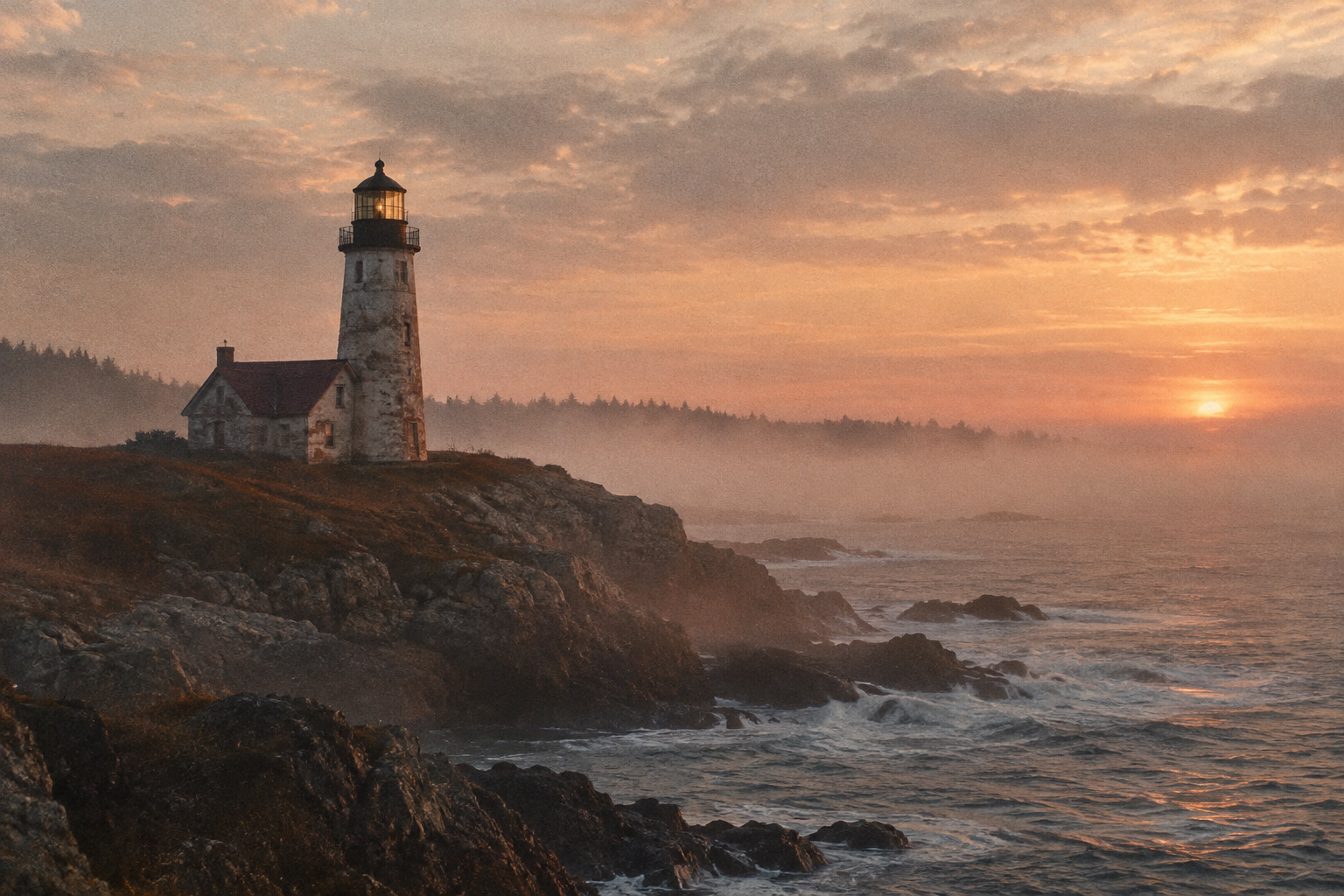
Northern Coast Maritime Archive
Explore keeper accounts, shoreline photographs, and the evolving towers that carried northern beacons through changing waters.
Explore the ArchiveHistory
From early shore beacons to modern preservation, this chronology traces how northern coast lighthouses evolved in purpose, engineering, and memory.
Meet the KeepersBefore permanent towers
The masonry era
The lens revolution
The age of automation
Preservation today
Stories
From winter watches to storm repairs, these accounts foreground the people who kept northern lights visible long before automation.
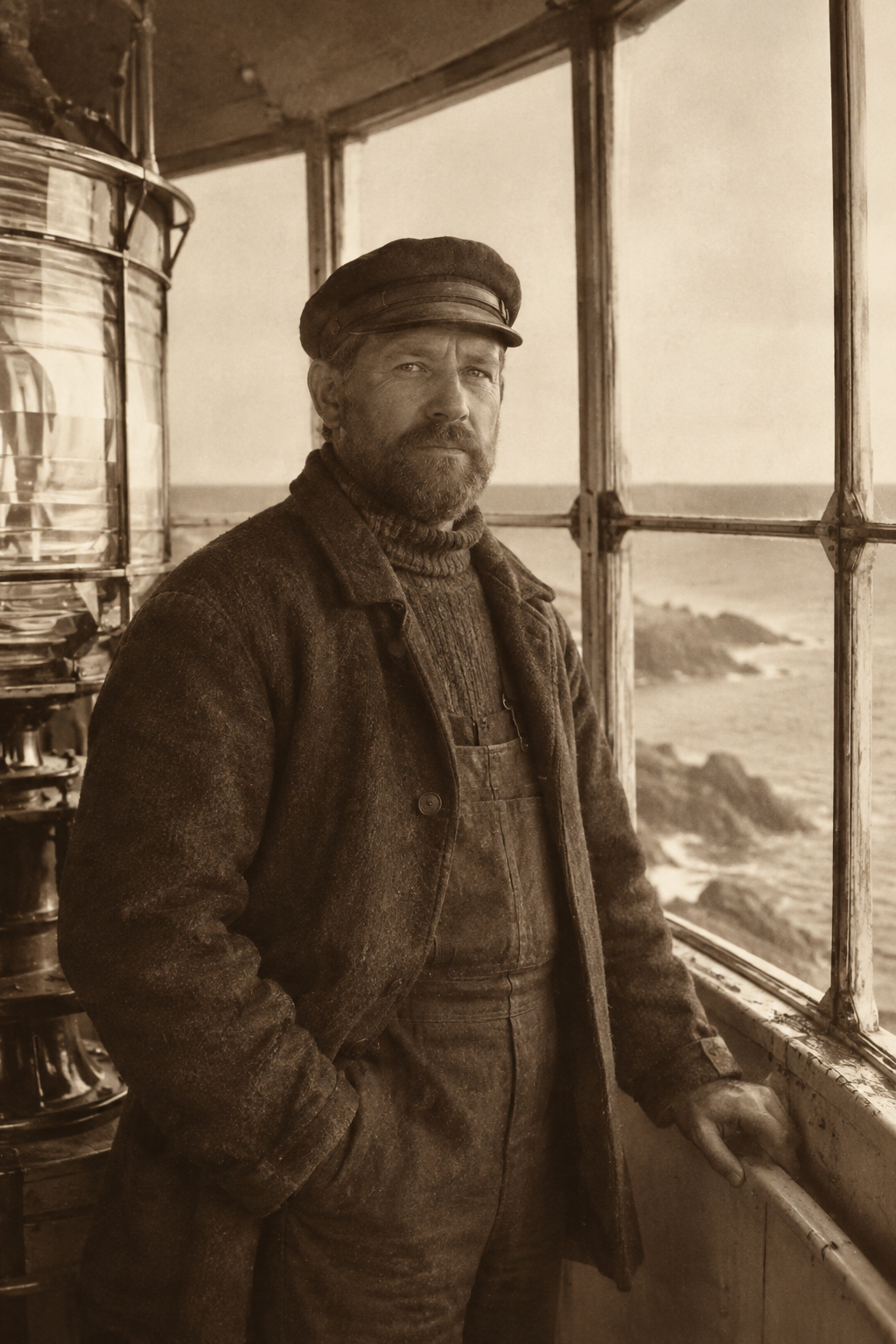
Late nineteenth century
Greyhaven Light
The fog could hide the sea, but never the duty.
Ward’s surviving log entries describe long winter watches, careful lamp trimming, and the quiet discipline required when storms erased the horizon.
Early twentieth century
North Reach Tower
We learned every sound the weather made.
Bell kept the station household running while assisting with signals, recording supply landings, and guiding younger family members through isolated seasons.
The automation years
Iron Cape Light
The last night felt brighter because we knew it was the last.
Vale witnessed the shift from hand-tended equipment to automation, preserving practical knowledge that otherwise might have disappeared with the final staffed watches.
Towers
This map is interpretive, not navigational, and pairs the archive's preserved towers with concise location and status notes.
Photographs
Six preserved moments from stations and towers along the northern coast, arranged as archival frames for close reading.
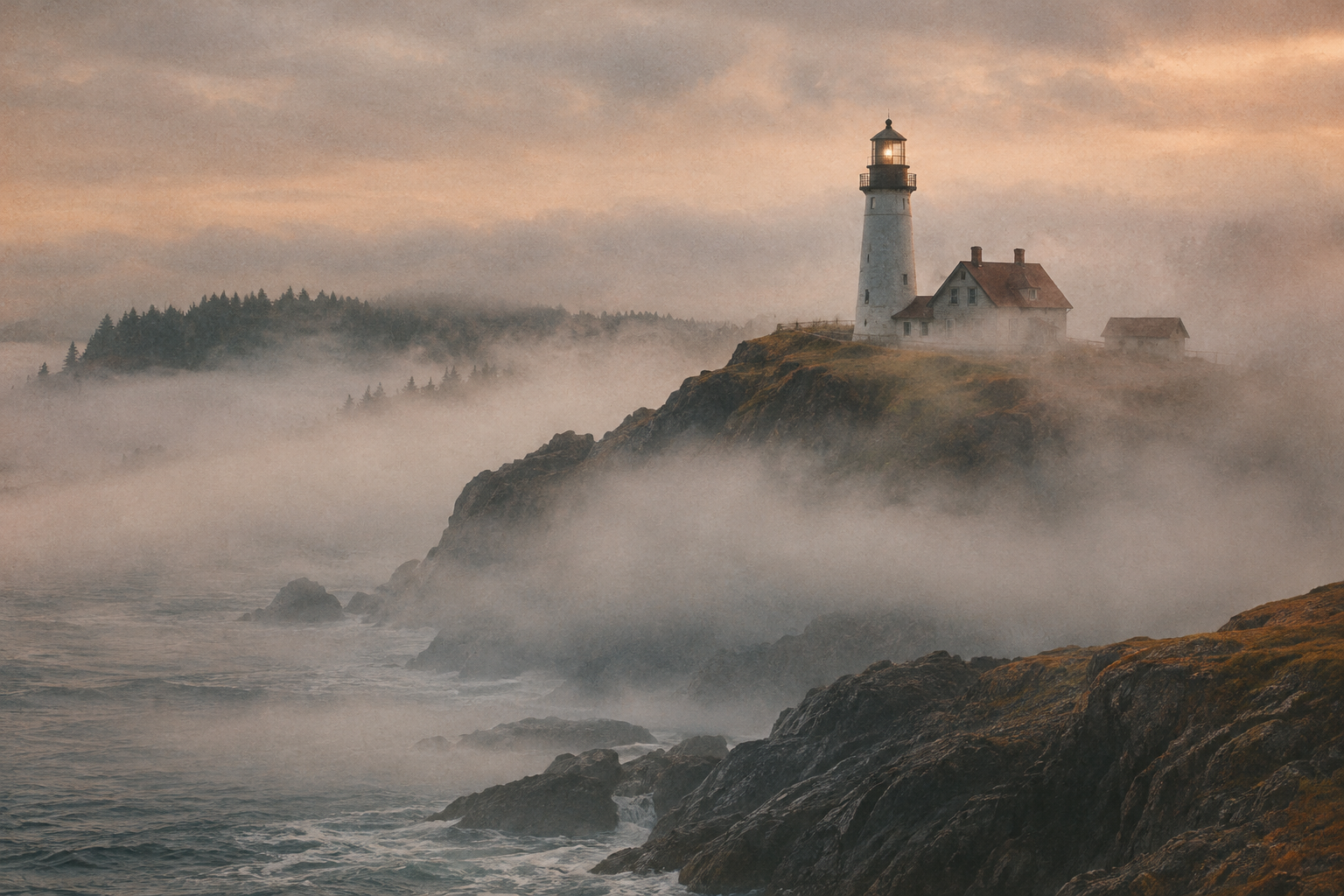
Archive view · early station era
A northern headland tower emerging through low coastal mist.
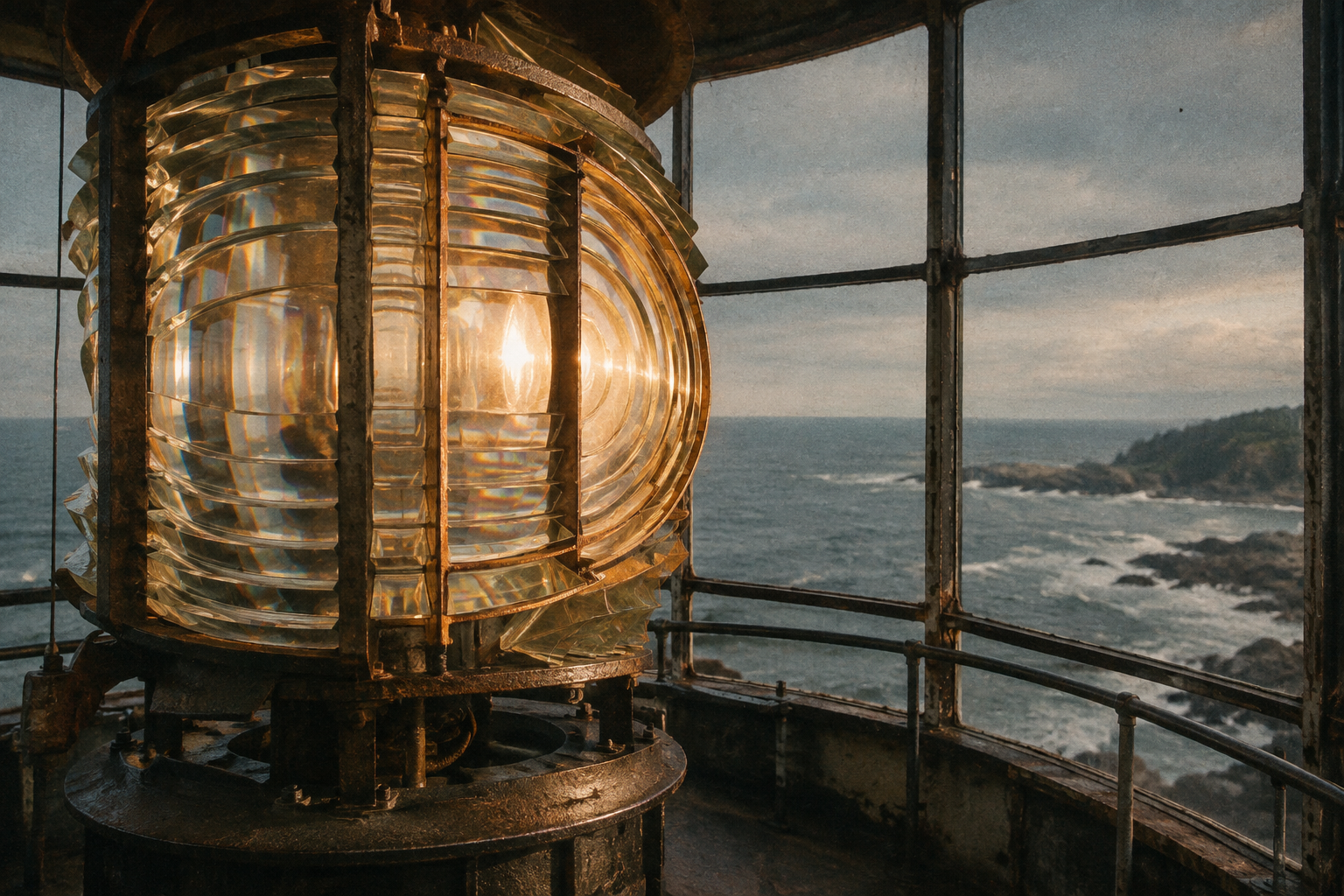
Optical detail · lens era
Concentric glass prisms shaped lamplight into a far-reaching signal.
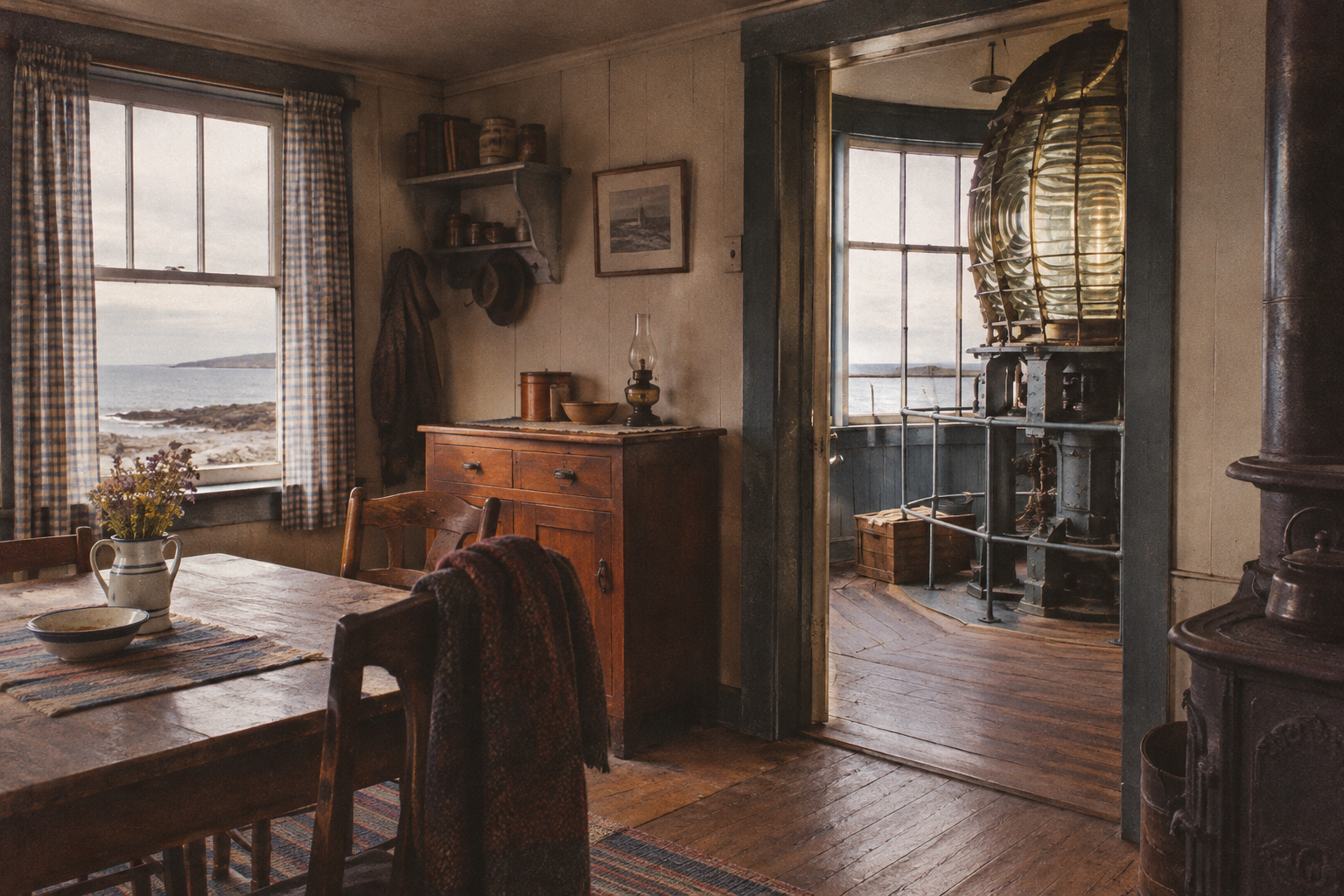
Station life · staffed years
Domestic rooms stood beside the machinery of the nightly watch.
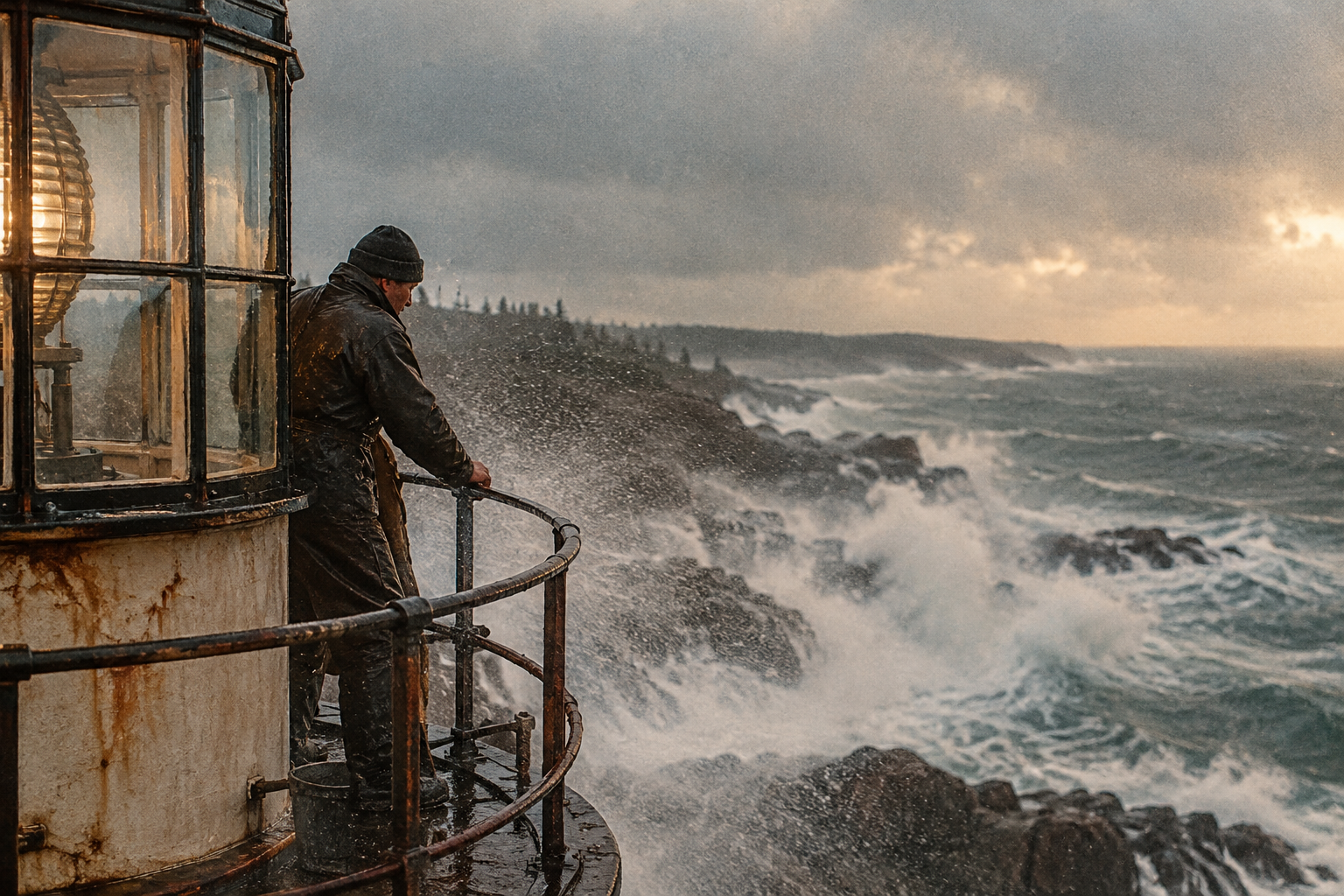
Coastal weather · winter watch
Sea spray and crosswinds made routine maintenance a test of endurance.
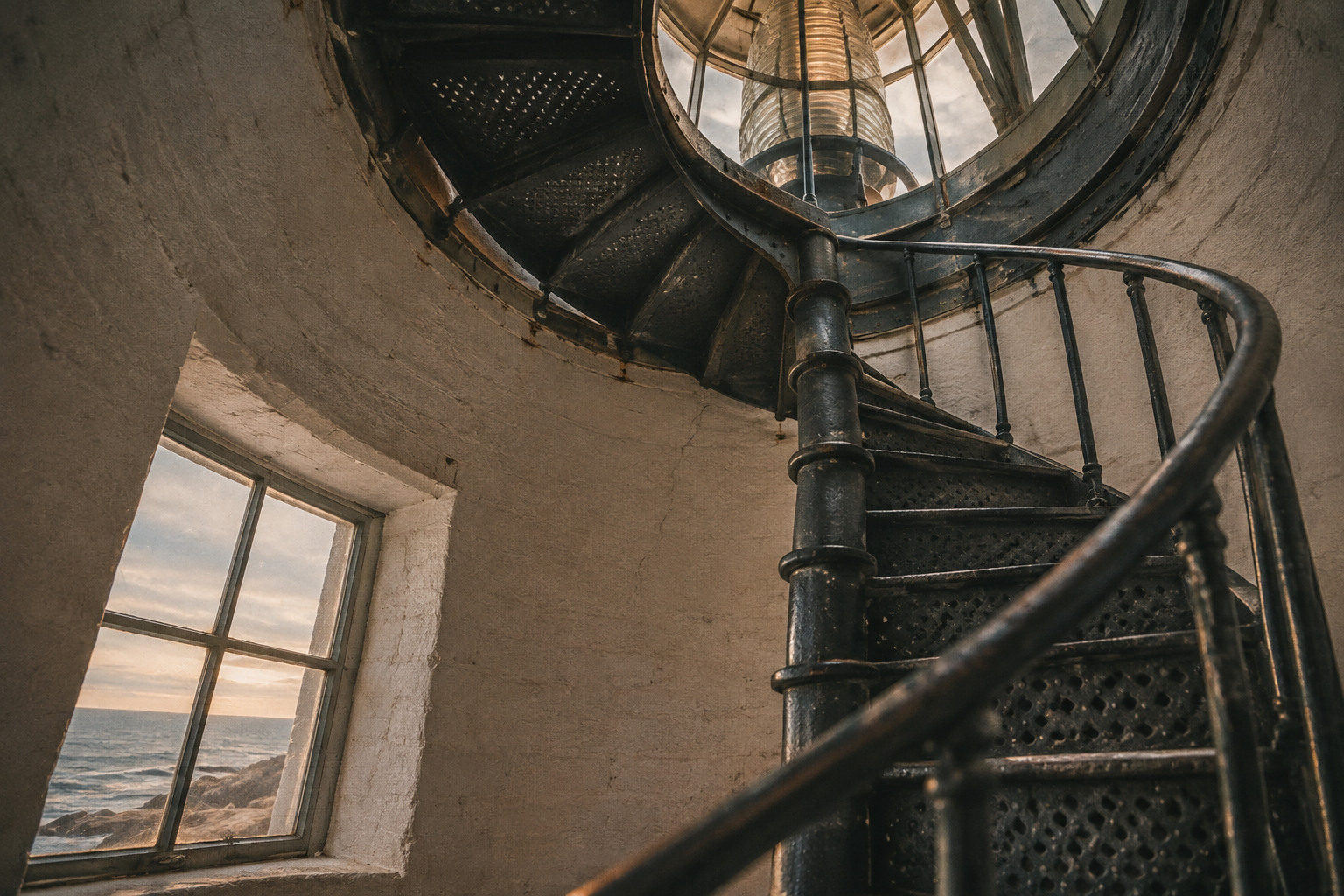
Tower interior · working detail
Iron steps linked the service rooms to the lantern high above.
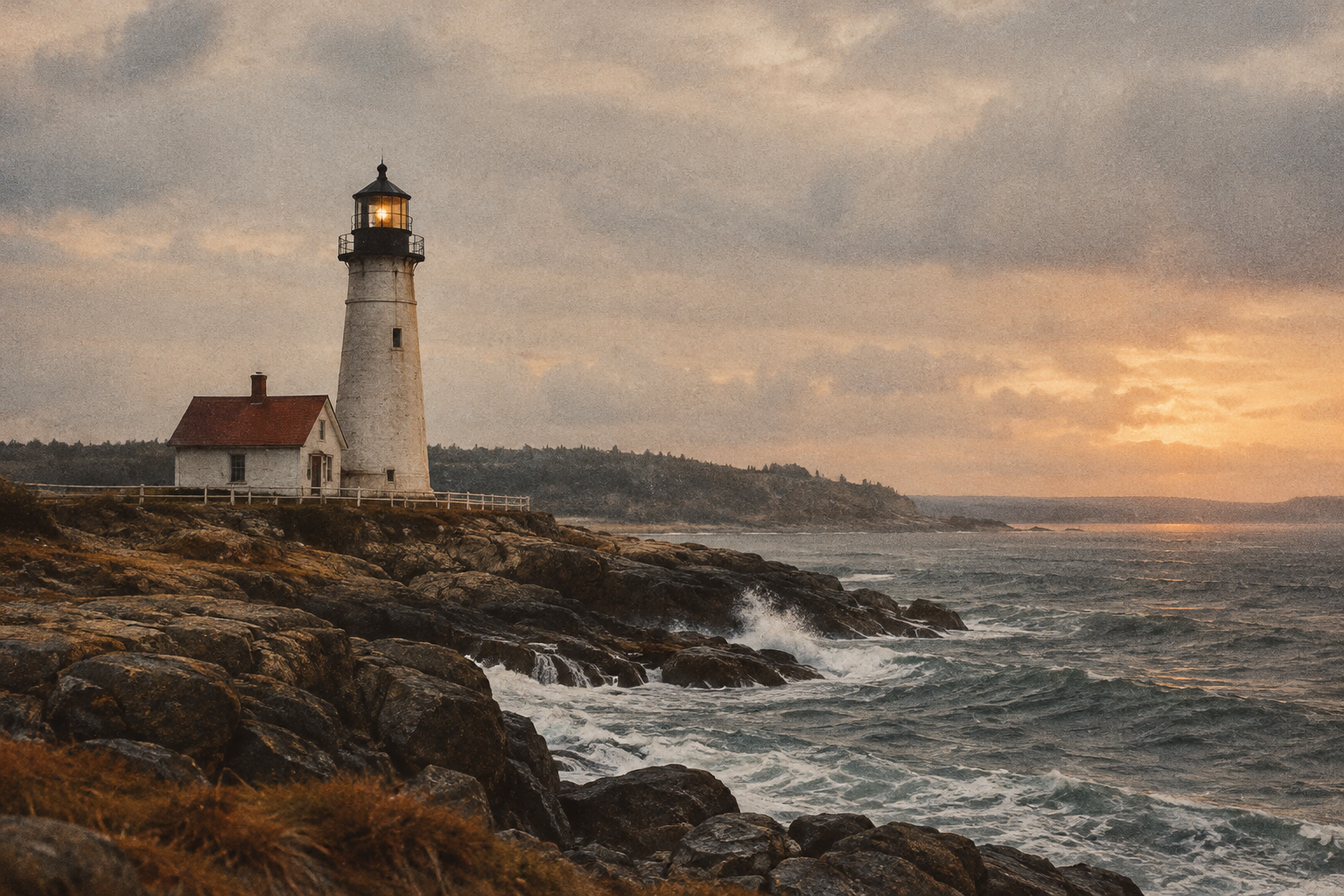
Preserved landmark · present memory
The tower remained a fixed mark against a constantly changing coast.